Your organization. Your AI program.
Programs for sports agencies, leagues, player associations, teams and clubs, built around the rights you hold and the talent who choose to take part. Sponsors and media partners join in.
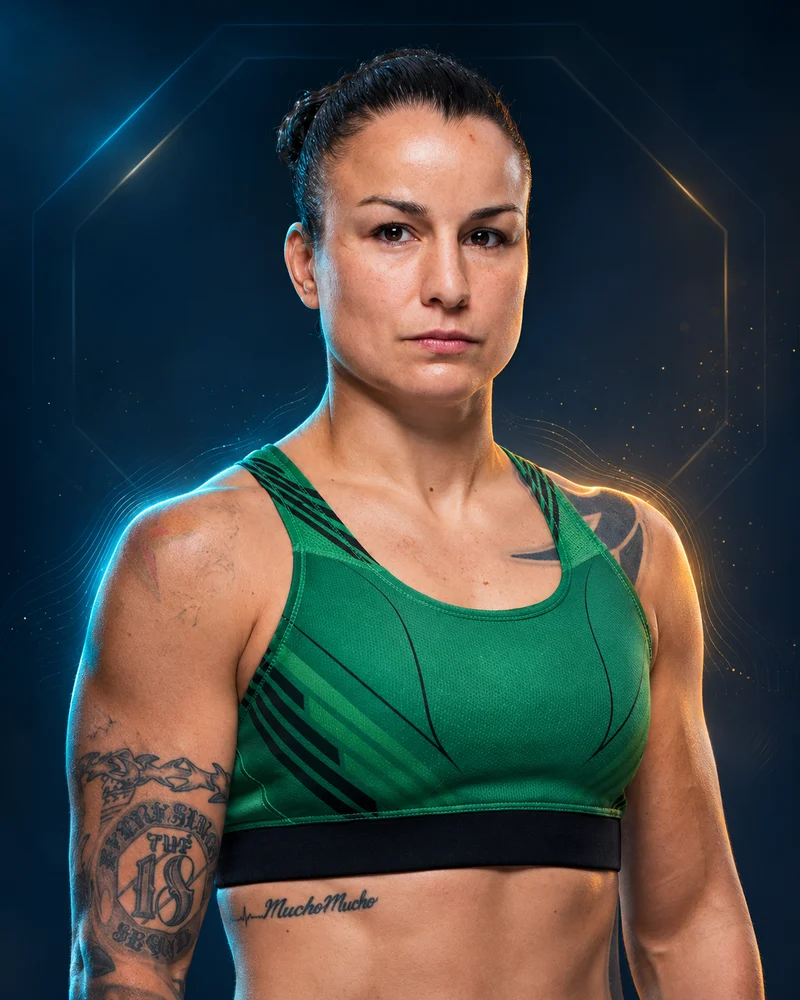
AI Licensed Twin
Raquel Pennington
Mixed martial arts
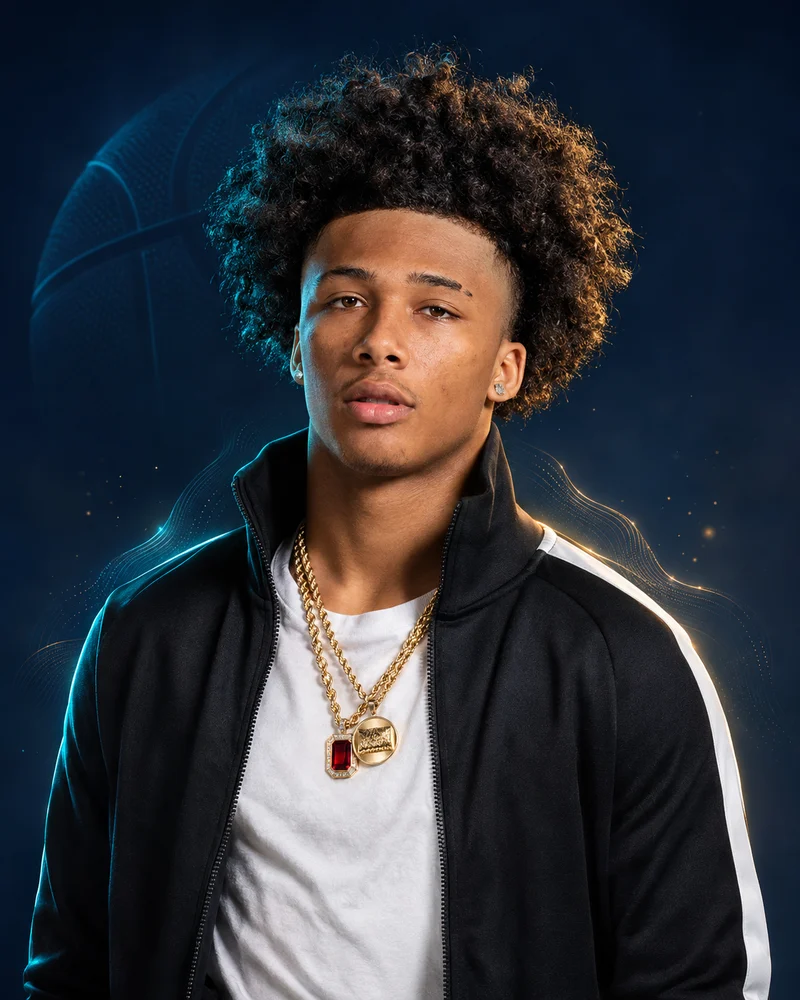
AI Licensed Twin
Mikey Williams
Basketball
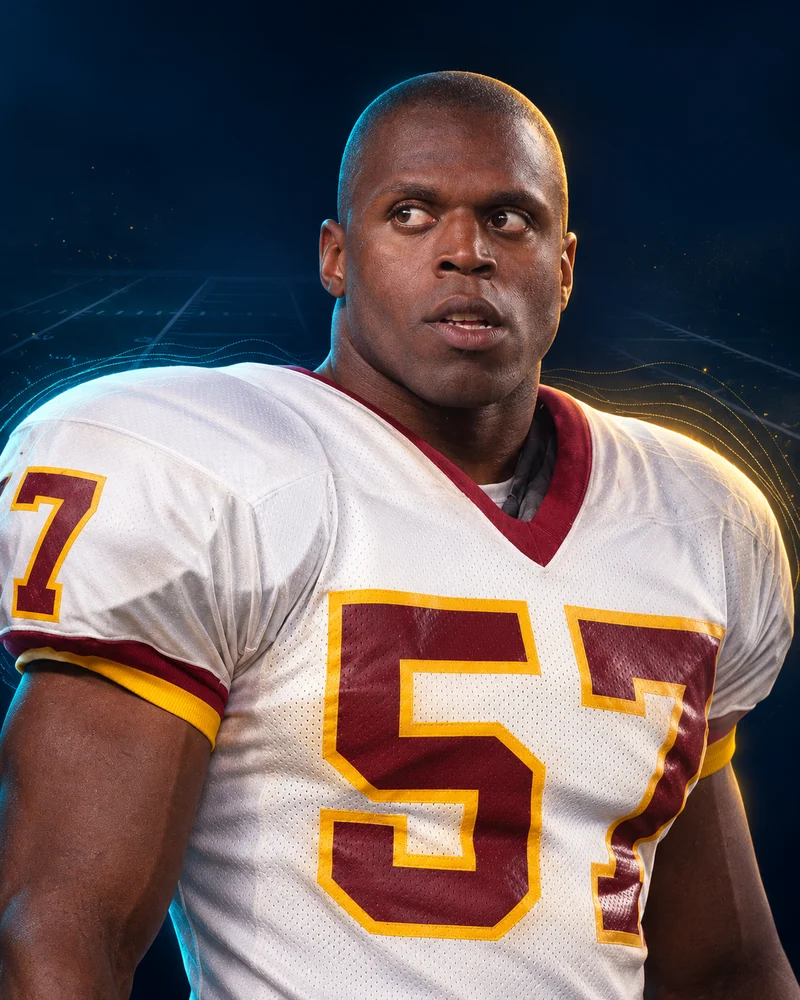
AI Licensed Twin
Ken Harvey
Football · NFL career
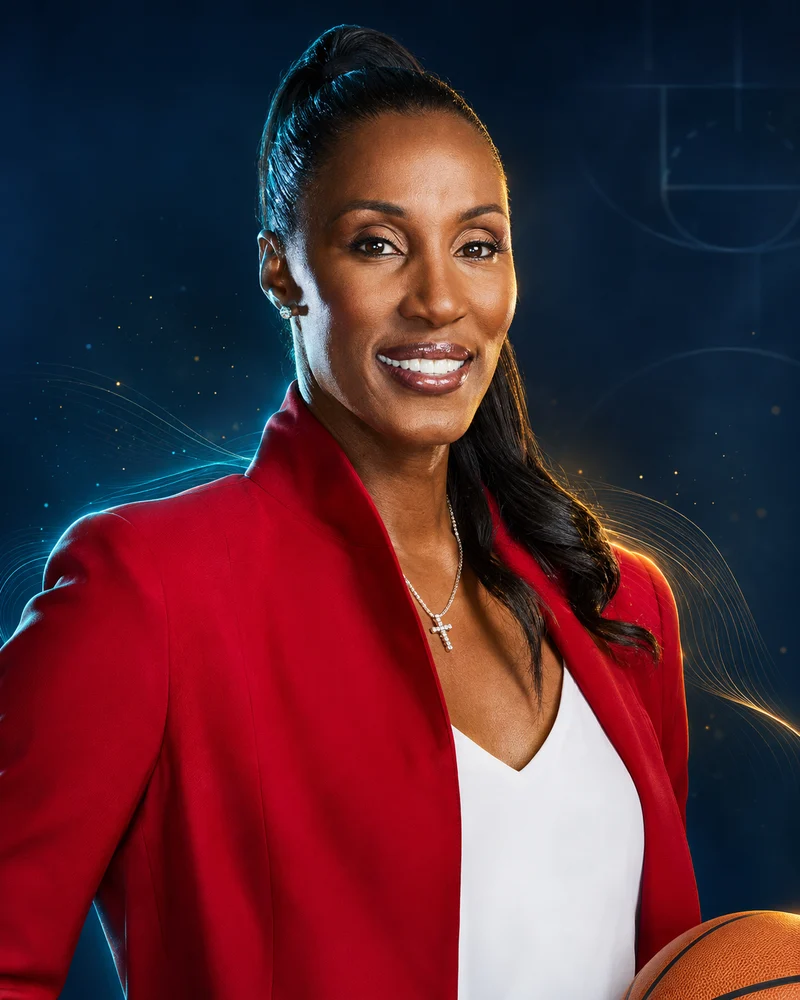
AI Licensed Twin
Lisa Leslie
Basketball · WNBA career
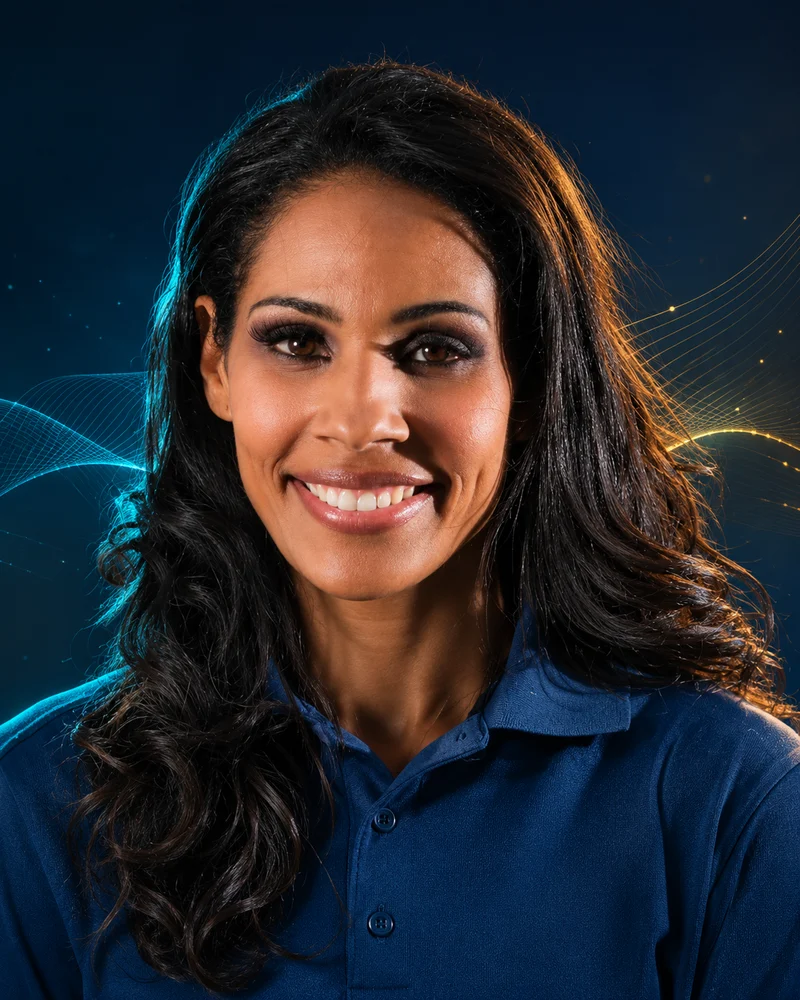
AI Licensed Twin
Angela Weathers
Basketball coaching
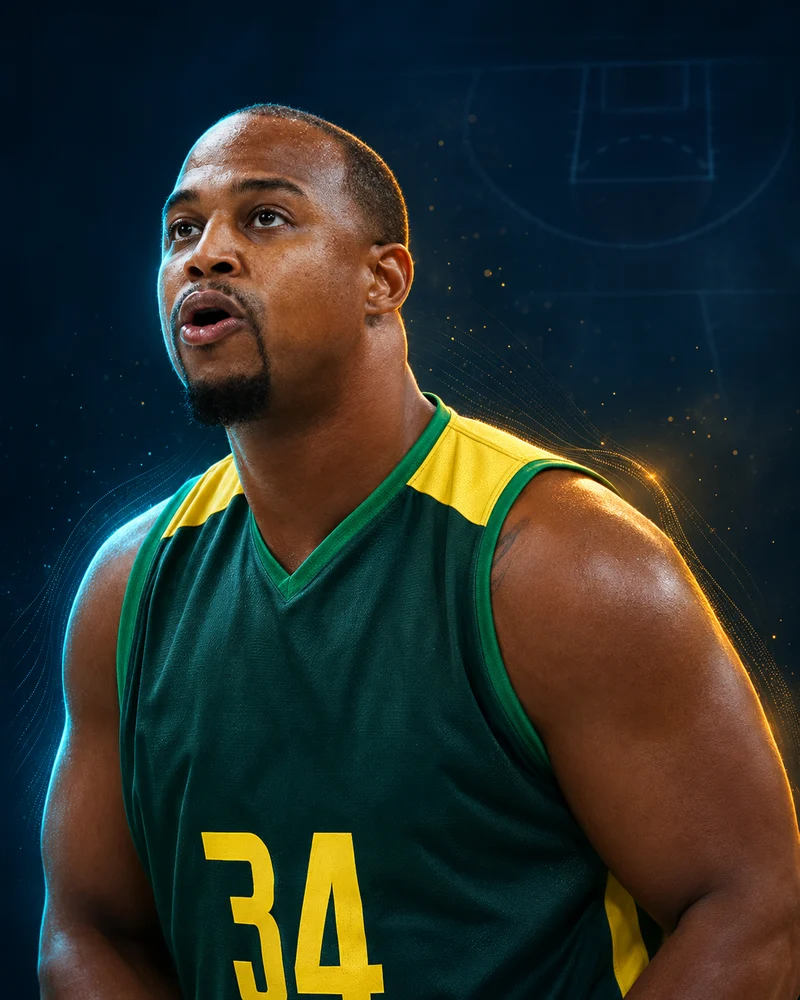
AI Licensed Twin
Corsley Edwards
Basketball · NBA career
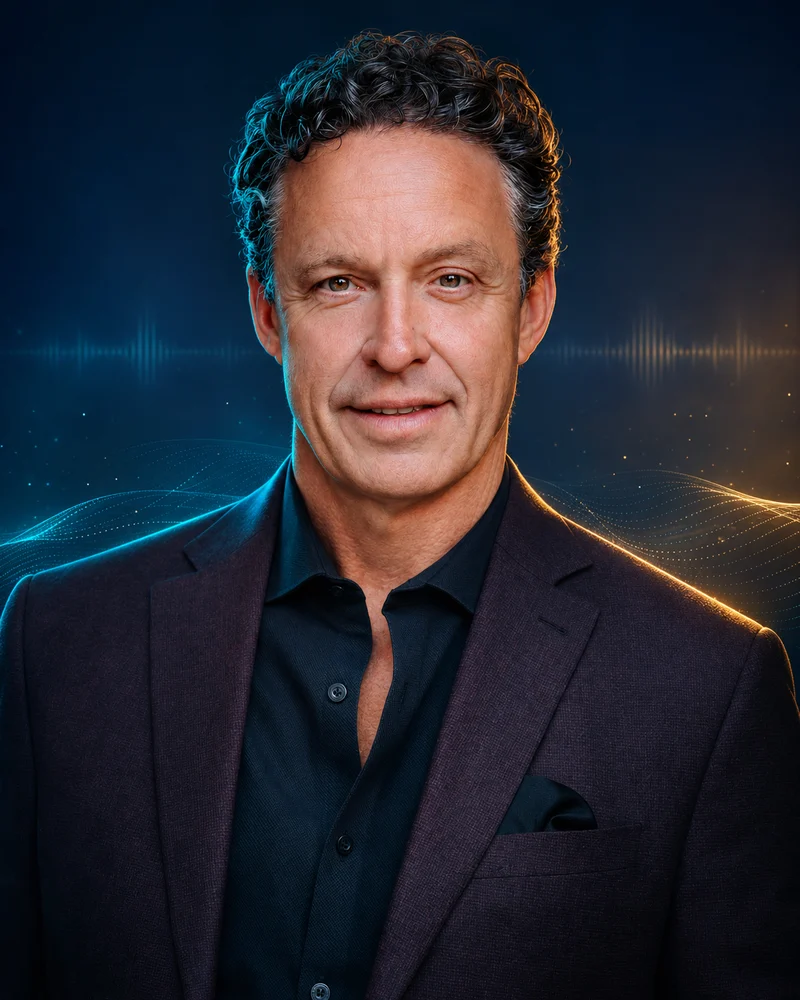
Draft output
30-second partner read for a matchday podcast
1Rights & sources
Kevin Ray · licensed broadcast voice
- Approved sponsor brief
- Partner brand guidelines
2Audience & use
Podcast listeners in licensed territory
Sponsor read · welcomed partner category
3Context & reviewer
Disclosed as AI voice · partner claims checked
Reviewer: Talent's authorized reviewer, club partnerships lead and sponsor
4Permitted channel
Approved: Club podcast feed · United States
Example data. Your program uses your own sources, reviewers and channels, and each athlete sets their own permissions.
Problem
Your voice, likeness and knowledge already show up online in ways you did not authorize or control — and there is no simple way to turn your expertise into an asset you govern yourself.
LootMogul capability
- •A licensed AI identity built from your authorized voice, likeness and knowledge
- •An AI Academy, AI Podcast or AI Club surface fans can talk to, under your rules
- •Multilingual deployment so fans in other markets can engage in their own language
- •Documented consent, source attribution and a clear withdrawal process
Example program
Example: an athlete licenses their voice and training knowledge to power an AI Academy that answers fan and student questions in their own tone, escalating anything outside their chosen topics.
Governance model
- •Explicit, revocable authorization for every use of voice, likeness and knowledge
- •Topic allowlists and denylists set with the athlete or their representative
- •Review and attribution records for every output
Problem
Fan engagement, sponsor activation and roster communication are fragmented across vendors, none of which are built around licensed, governed athlete identities.
LootMogul capability
- •Roster-wide licensed AI identities deployed under the organization's brand
- •Organization-level guardrails layered on top of individual athlete consent
- •Multilingual AI Clubs and AI Academies for global fan bases
- •Sponsor-ready activation surfaces with approval workflows before anything ships
Example program
Example: a league deploys an AI Club for its member clubs, with each athlete's identity individually licensed and each club applying its own topic and brand-safety policy on top.
Governance model
- •Organization policy layered above per-athlete consent — never overriding it
- •Human approval required before new deployments or sponsor integrations go live
- •Agreed withdrawal process for athlete and organization permissions
Problem
Associations need to protect members' rights at scale while still enabling members who want to license their identity for commercial and educational uses.
LootMogul capability
- •Association-level governance templates that apply consistent guardrails across members
- •Member opt-in licensing rather than blanket or automatic enrollment
- •Aggregated provenance and usage reporting across the membership
- •A consistent consent and revocation process across every deployment
Example program
Example: a federation pilots a shared governance template so member athletes can opt into licensed AI Academies without each having to build consent infrastructure from scratch.
Governance model
- •Member-level consent remains the source of truth; association policy sets defaults, not overrides
- •Escalation paths for disputes or misuse reports
- •Independent audit logs available to the association and the member
Problem
Agencies need to coordinate client permissions and brand review for proposed AI experiences.
LootMogul capability
- •An agreed roster and record of proposed licensed uses
- •Consent-backed licensing workflows the agency can manage on behalf of talent
- •Guardrail templates the agency can propose and the client approves
- •Usage and source-attribution reporting agreed per program
Example program
Example: an agency brings a proposed brand format to its client and Super for rights and editorial review, with the client retaining final sign-off.
Governance model
- •Agency actions are always subject to the client's own consent and revocation rights
- •Every proposed deployment requires documented approval before going live
- •Full audit trail available to both agency and client
Problem
NIL programs need to activate a large roster of student-athletes commercially while staying inside institutional compliance and disclosure requirements.
LootMogul capability
- •Program-wide licensing workflows built around individual student-athlete consent
- •Disclosure and approval records suited to compliance office review
- •Guardrails aligned to institutional policy and NCAA-style disclosure norms
- •Multilingual and always-available engagement surfaces for recruiting and fan communication
Example program
Example: an athletics department pilots licensed AI identities with a small cohort of student-athletes, with the compliance office reviewing consent and disclosure records before wider rollout.
Governance model
- •Student-athlete consent is individual, informed and revocable at any time
- •Institutional policy sets guardrail defaults; it cannot override individual consent
- •Disclosure and reporting designed for compliance office visibility
Problem
Generic AI chatbots and unlicensed AI personas cannot ethically or legally stand in for a real athlete or creator, leaving brands without a trustworthy way to build interactive campaigns around licensed people.
LootMogul capability
- •Co-branded activations built on licensed, consenting AI identities — not generic personas
- •Approval workflows so talent and their representatives sign off before launch
- •Multilingual campaign deployment across markets
- •Reporting on engagement and usage without exposing private athlete data
Example program
Example: a brand builds an interactive AI conversation campaign with a licensed athlete identity, reviewed and approved by the athlete's representative before the campaign goes live.
Governance model
- •No campaign proceeds without documented talent authorization
- •Your chosen topics guide content review before release
- •Brand-side reporting excludes private athlete or fan data
Problem
Audiences increasingly expect interactive, multilingual experiences around live sports content, but broadcasters have no governed way to let AI represent the athletes or commentators involved.
LootMogul capability
- •Interactive broadcast extensions powered by licensed AI identities
- •Multilingual companion experiences for international audiences
- •AI-hosted podcast and highlight formats built on authorized voice and knowledge
- •Clear on-screen and in-product disclosure that the experience is a licensed AI identity
Example program
Example: a broadcaster pilots a multilingual AI companion for a tournament, giving international viewers a licensed AI identity to ask questions about the event in their own language.
Governance model
- •Synthetic AI disclosure is required in every broadcaster deployment
- •Editorial and rights review before an identity is deployed on a media surface
- •Revocation rights sit with the athlete or rights holder, not the broadcaster