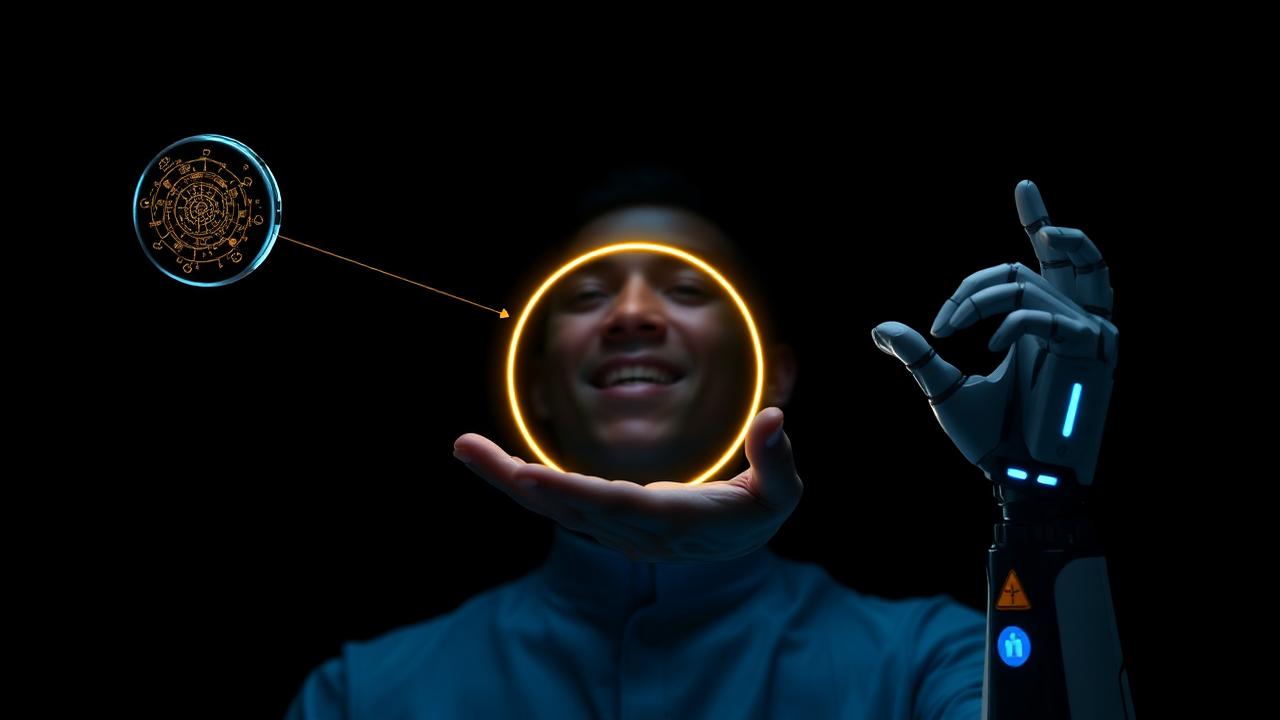
From Digital AI to Physical AI: Why Licensed Human Intelligence May Become the Persistent Asset
Models will be swapped. Hardware will be replaced. The authorized intelligence carried across both is what compounds.
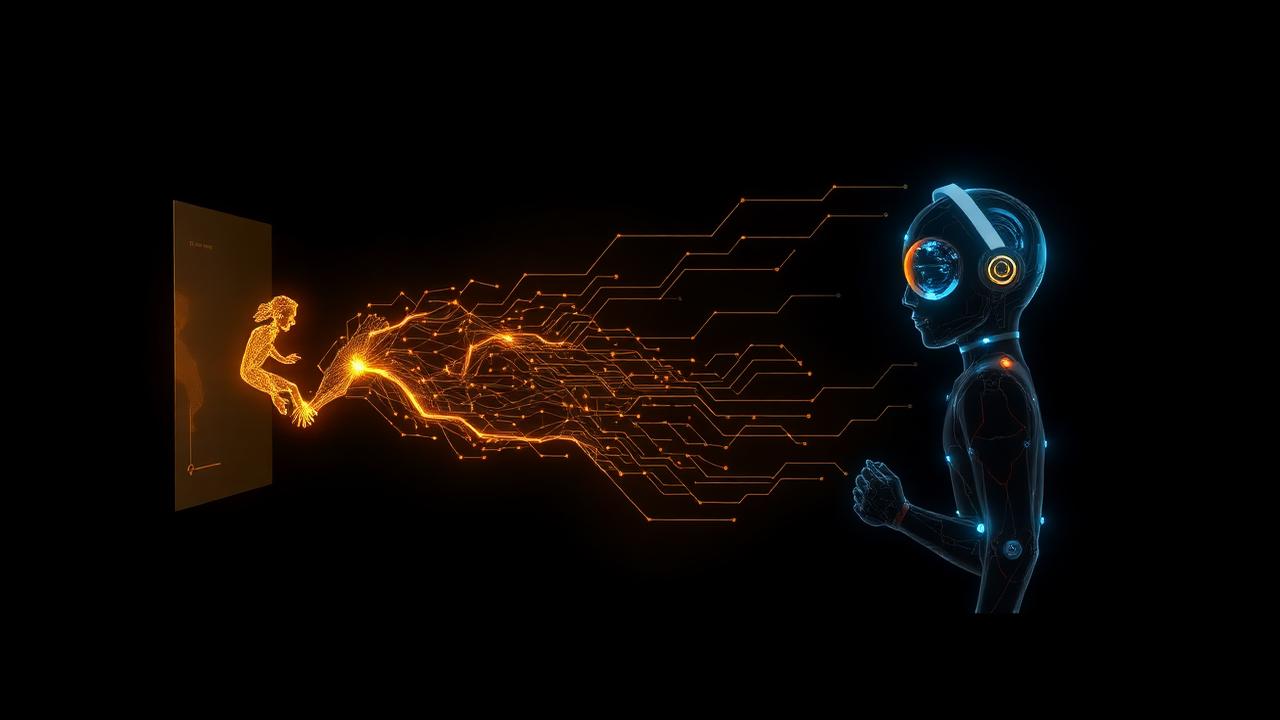
Three years of model releases have taught the market something uncomfortable for model-first companies: capability is converging. What was a differentiator last quarter is a checkbox this quarter, and a commodity API next year.
The same is becoming true of hardware. Cameras get sharper. Wearables get smaller. Actuators get cheaper. Robot demos that looked impossible in 2023 are being reproduced by multiple labs.
What does not commoditize
The part that does not commoditize is the authorized intelligence that has to sit inside those systems: a specific human's knowledge, licensed with consent, governed with rules, distributed to real audiences and improved by real usage.
- Identity — a verified, contracted human, not a synthetic persona
- Knowledge — first-party expertise no crawl can reproduce
- Judgment — the decision quality earned over a career
- Rights — licensing that survives audits and renewals
- Governance — refusal rules, approvals and provenance
- Distribution — the audiences and organizations that already want it
Why sports is the proving ground
Sports has what most AI markets lack: existing rights frameworks, professional representation, global multilingual audiences, measurable performance and a culture that already pays for expertise. If licensed human intelligence can be governed anywhere, it can be governed here first.
“The model is the engine. The licensed identity is the asset.”