YC Says AI Is Moving Into the Physical World. What Does That Mean for Human Identity?
Agents, wearables and robots working alongside people all assume something nobody has shipped: portable identity.
Original source — Y Combinator
Read YC's Requests for StartupsReporting and findings belong to Y Combinator. The analysis below is LootMogul's own perspective.
Y Combinator's Fall 2026 Requests for Startups describe a shift the whole industry is feeling: AI is leaving the browser tab.
- AI agents acting on behalf of people
- Humans using wearables as a continuous interface
- Robots working alongside people rather than behind fences
- Safety and reliability as first-class requirements
- Physical-world data as the scarce input
The missing prerequisite
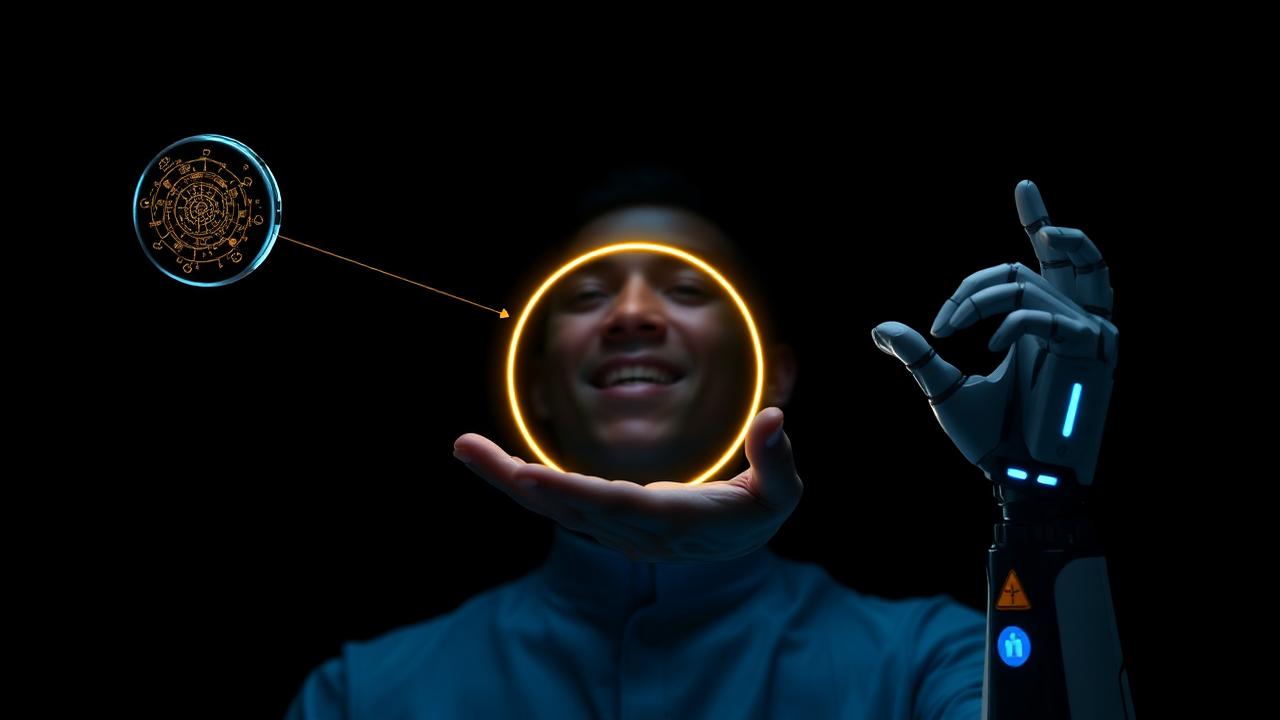
Each of those categories quietly assumes that an AI can be trusted to represent someone. Today it cannot — not portably. An agent's authority does not travel to a wearable. A wearable's consent does not travel to a robot.
“Before AI can operate safely in the physical world, it needs portable identity, permissions, provenance and governance.”
That is the infrastructure LootMogul is building, and sports is where we prove it: licensed humans, real contracts, global audiences and consequences for getting it wrong.