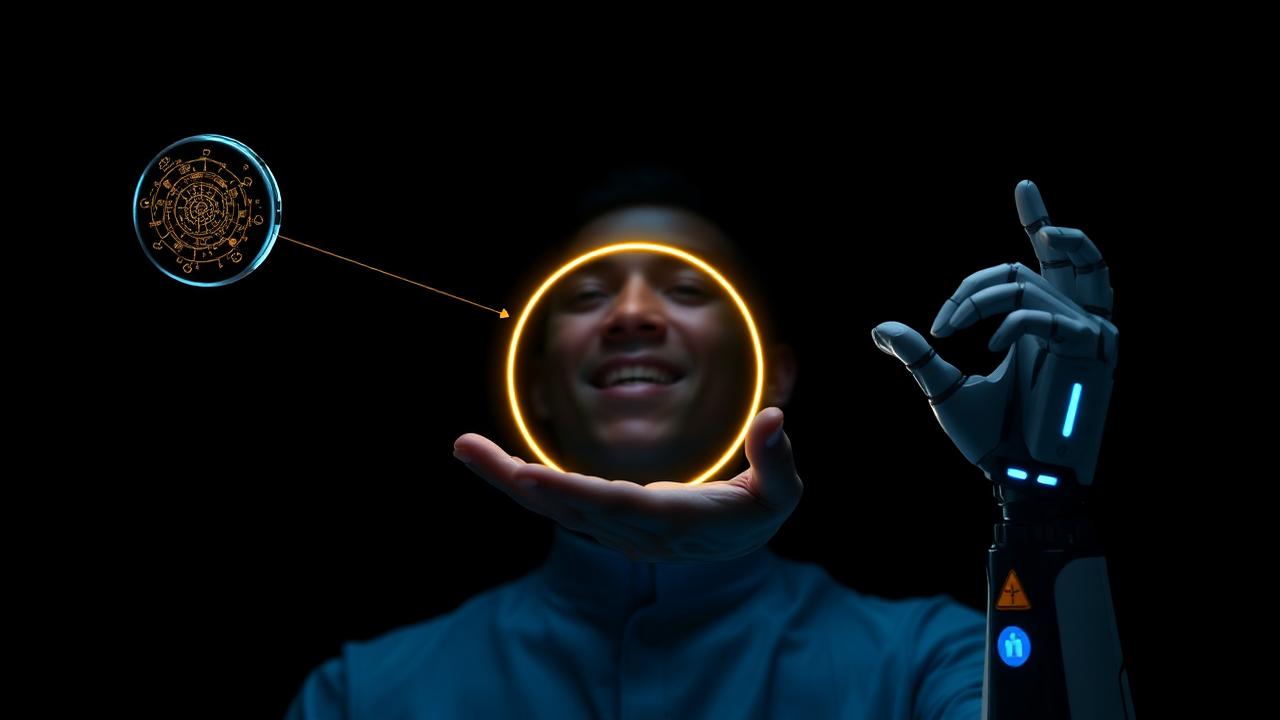
Robots Can Outrun Humans. Can They Become Useful?
The shift from spectacle to utility will decide who wins Physical AI.
Original source — Reuters
Read the Reuters reportReporting and findings belong to Reuters. The analysis below is LootMogul's own perspective.
Reuters looked past the highlight reel and asked the question the industry has been deferring: can these machines do ordinary work reliably?
- Reliability across thousands of repetitions, not one demo
- Dexterity in unstructured environments
- Autonomy without a human operator off-camera
- Error recovery when the first attempt fails
- Genuinely useful real-world tasks
The LootMogul perspective
“The Physical AI winner may not be the company building the most impressive robot demo. It may be the company providing the reliable intelligence, data, governance and domain expertise that makes machines useful.”
Hardware differentiation compresses quickly. What does not compress is licensed, domain-specific human intelligence with the rights and guardrails to be deployed commercially — which is the layer we supply, hardware-neutral by design.