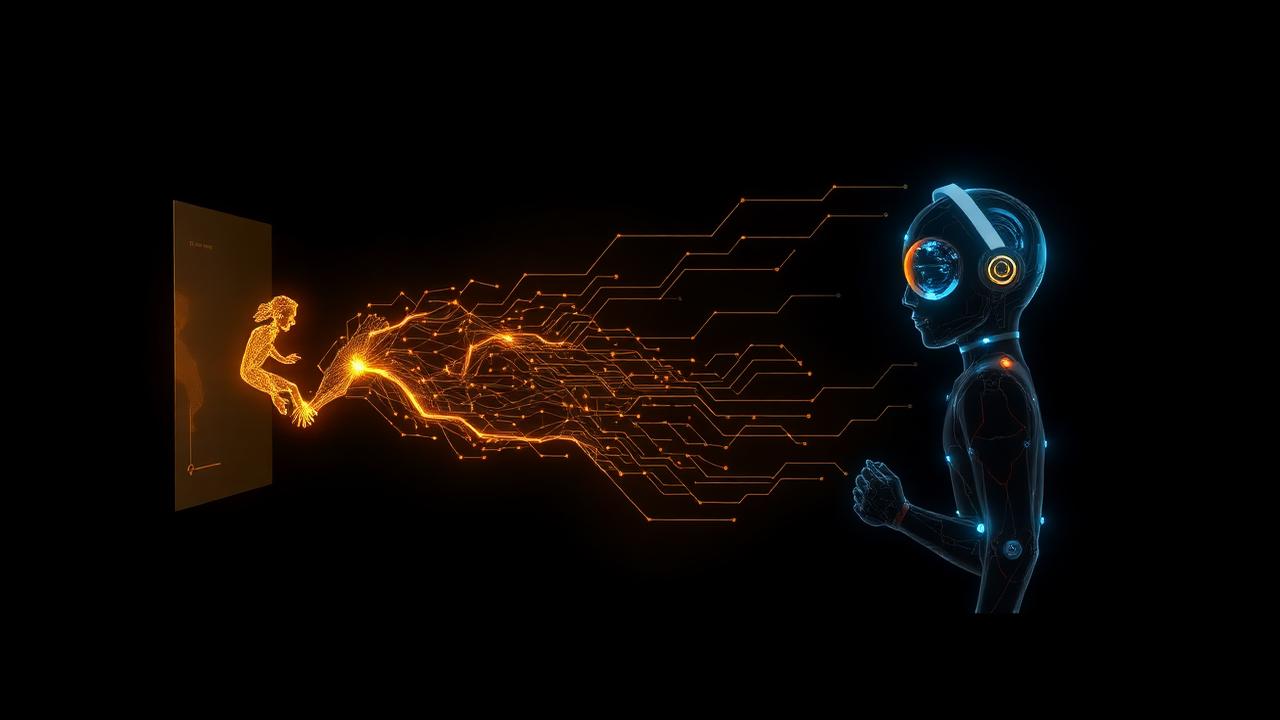
AI Can Clone an Athlete. The Bigger Opportunity Is What Happens When That Intelligence Gets a Humanoid Robot
Entrepreneur examines the three-layer thesis behind LootMogul and Super Athlete: Digital AI, AI Consciousness™ and Physical AI.
Original source — Entrepreneur
Read on EntrepreneurReporting and findings belong to Entrepreneur. The analysis below is LootMogul's own perspective.
Entrepreneur featured LootMogul and Super Athlete in a story about what happens after voice and likeness cloning stops being the hard part. The premise is simple: reproducing how someone sounds is now widely available. Preserving who they are — their permissions, judgment and provenance — across every model, application and machine is not.
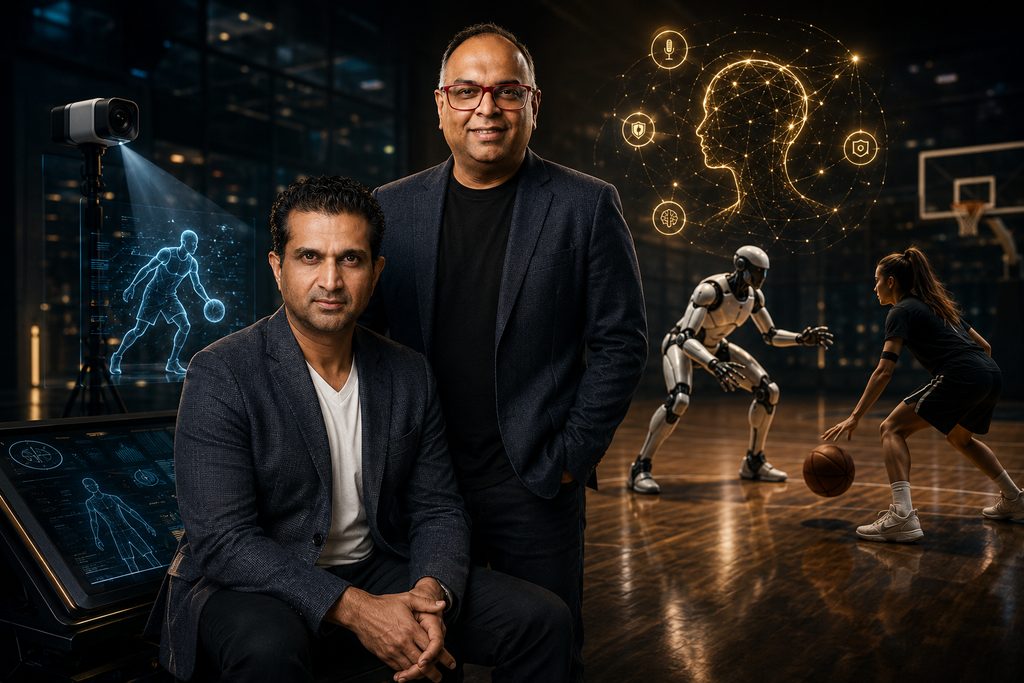
The feature walks through the architecture we build against. An authorized athlete identity begins in software, where fans, brands and organizations interact with it. It then needs a continuity layer that carries memory, guardrails and rights wherever it travels. Finally it can extend into the physical world through compatible cameras, wearables, training systems and partner-built robots.
Why the third layer matters
A humanoid robot that can run, lift or rally is a hardware achievement. A humanoid robot that can coach a 14-year-old with the judgment of a 17-year professional — under a license the athlete controls and can revoke — is an identity problem, a rights problem and a governance problem before it is a robotics problem.
“We do not build robots. We build the licensed human intelligence that makes machines worth trusting.”
That is the position LootMogul occupies: hardware-neutral licensed athlete AI, with sports as the first proving ground because sports already has rights holders, contracts, global audiences and measurable performance.
Also see: LootMogul on Entrepreneur
See athlete experiences on LootMogul